44 how to read organic food labels
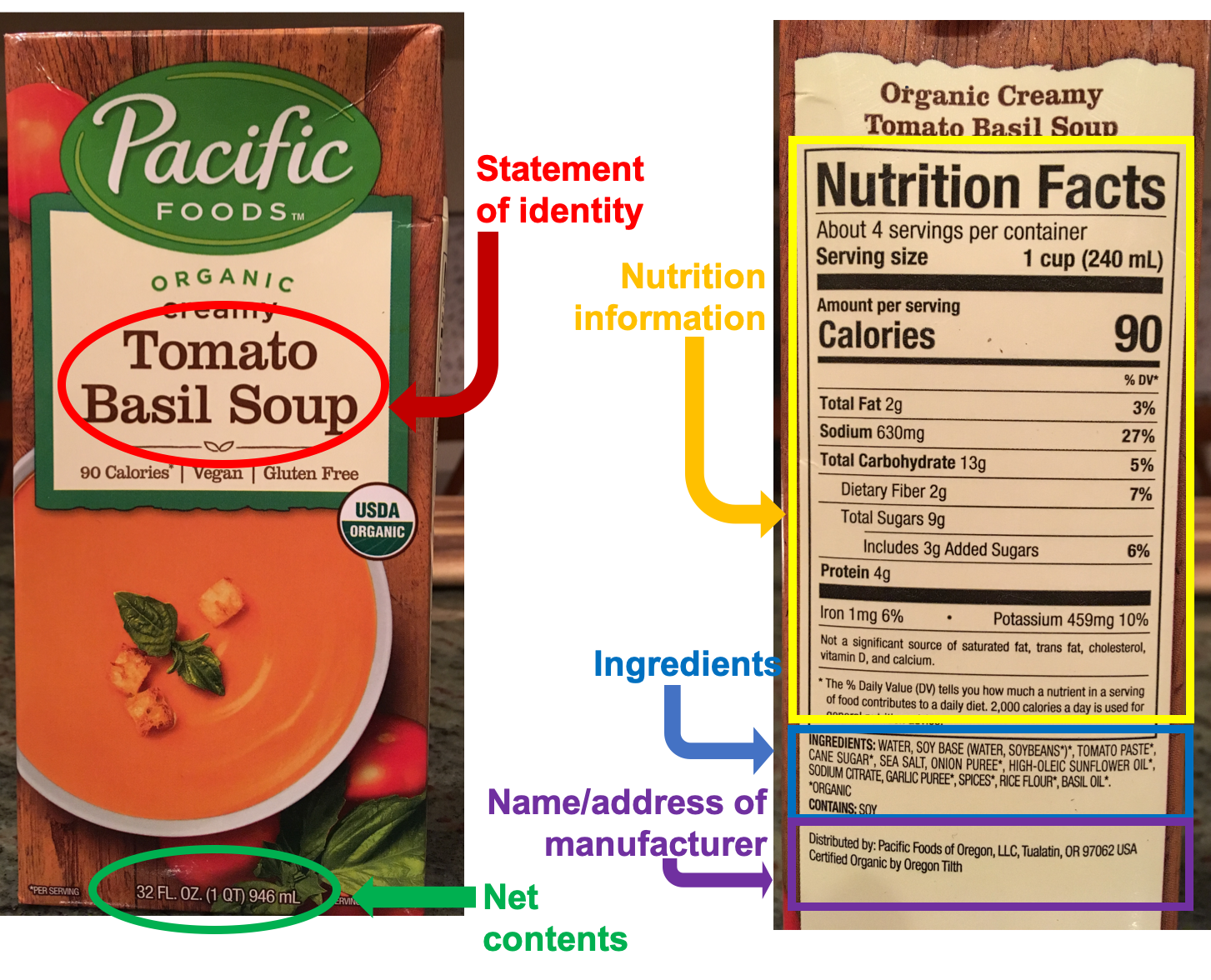
How To Read Food Labels: What's On it & What to Avoid The box said it was organic. You keep hearing "read your labels", but you don't even know where to begin with that. Reading a food label sounds like being back in chemistry class. Does this sound like you? Don't worry, at one point, it was me too. It's time to take the confusion and overwhelm out of reading food labels. How to Read Food Labels: Your Complete Consumer Guide So one easy label "cheat" is to limit the amount of food, to the extent that you can, that requires a label in the first place. Front of Package Food Claims iStock.com/skynesher Basically, the front of the package is the "Wild West" of the food label. This is the part that consumers see first, and can most powerfully influence their purchase.
Organic on Food Labels | FDA Organic on Food Labels FDA does not regulate the use of the term "organic" on food labels. The National Organic Program (NOP) is the federal regulatory framework governing organically...

How to read organic food labels
A Guide to Reading Organic Labels | Whole Foods Market Products labeled "organic" are required to contain at least 95% organic ingredients and be certified to the USDA National Organic Standards. Products labeled "made with organic X" must be certified to the USDA National Organic Standards and include at least 70% organic ingredients. 5 Food Labels All Meat-Eaters Should Understand | HuffPost Life All fresh meat, therefore, is considered natural--but it doesn't mean a whole lot beyond that. 2. Organic. "Organic" is another label with a clear, USDA definition--and one the experts say you definitely want to prioritize in your shopping trip. Organic meat and poultry can't be treated with hormones or antibiotics, and it must consume only ... How to Read Food Labels - Live the Organic Life So here's what they look like in a picture. The long orange rectangle represents all the ingredients in the pizza (the full 100%). The colored bars on the left show you the proportion of the total pizza made up by each type of meat - ham is 5%, Pepperoni is 4%, beef is 3% and bacon is 2%. UPC Codes on Produce Do you know what it all means?
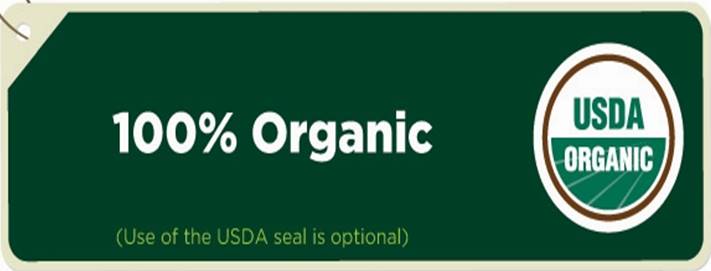
How to read organic food labels. 5 Tips from an Expert on How to Read Food Labels - FoodPrint The next step is choosing grassfed, looking for a label like "Certified Grassfed by AGW" or "PCO Certified Grassfed." "The nutrient density and fatty acid profile of [milk and beef] is much better when you finish cows on grass, rather than corn [which is typical in industrialized animal production]," Urvashi explained. Reading Organic Labels - Organic Food Lovers It's pretty simple. But processed food products that have many ingredients can have various levels of "organic-ness" and have to be labeled accordingly. Any product that is completely organic can be labeled as "100% organic" but if it has 5% or less non-organic ingredients then it will be marked as just "organic". How to Read Food Labels and Avoid Toxic Ingredients The FDA knows they're dangerous but allows these ingredients in food because they prevent botulism. Nitrite-free meets can be found in your health food store. But be sure to read the ingredients on the label and ensure that the food does not contain sodium nitrite, potassium nitrite or anything that has nitrite or nitrate in the name. Labeling Organic Products | Agricultural Marketing Service Used to label any product that contains 100 percent organic ingredients (excluding salt and water, which are considered natural) Most raw, unprocessed or minimally processed farm crops can be labeled "100 percent organic" PDP: May include USDA organic seal and/or 100 percent organic claim
How to Read Misleading Food Labels - Frank Lipman MD And beware: Foods labeled "salt free," "no sodium," or "sodium free" can still include 5 mg of sodium. "Fat-Free": FDA requirements for nutrient-content claims are tough to decipher. Leaving aside the quality of the fat, a "fat-free" designation doesn't mean that a product actually has zero fat, just that it has a ... How To Read Food Labels - Organic, Fair Trade - Refinery29 With their help, I was able to get a handle on what "organic," "natural," "fair-trade" and other widely used food labeling terms actually mean. Read on to learn the basics for yourself — and don ... Healthful or Harmful: How to Read Organic Labels There are different degrees of "organic" If a label says it's "made with organic ingredients," then the product is composed of 70% organic ingredients. The remaining, non-organic ingredients may still be closely monitored (for example, GMOs aren't allowed), but they don't qualify for certification. Food Labels Explained - Farm Aid Organic labels can be found on produce, dairy, meat, processed foods, condiments and beverages. Food products labeled "organic" must contain at least 95% organic ingredients with no synthetic growth hormones, antibiotics, pesticides, biotechnology, synthetic ingredients or irradiation used in production or processing.
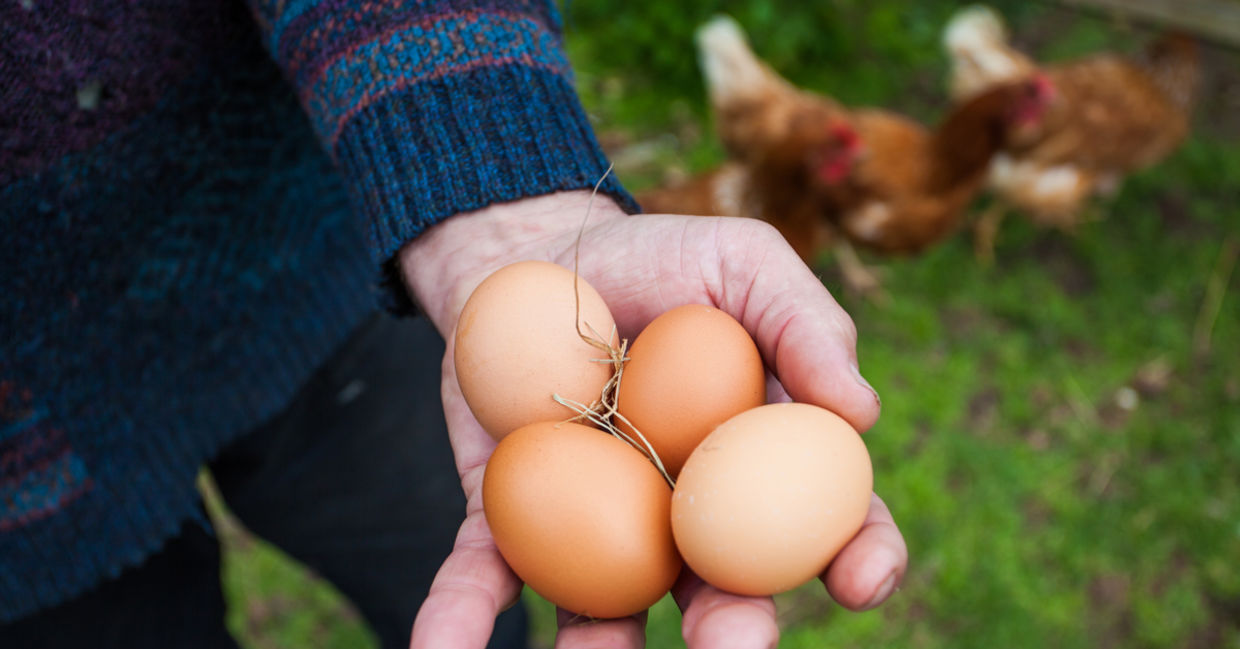
A Good Guide to Reading Organic and Other Food Labels Organic produce, straight from the farm (A. L. Spangler / Shutterstock.com) LOOK INTO 'NATURAL' FOOD LABELS While the terms "natural" and "all natural" on food labels seems to imply that ingredients come straight from nature, the reality is that pretty much every substance on earth has some element of natural origins. Understanding the USDA Organic Label The USDA organic standards allows the seal to be printed in full color, which includes a specific shade of green, brown, and white, or it can be printed in black and white. For more on use of the organic seal, access . Cindy Ormaza Mar 03, 2021 HOW TO READ ORGANIC FOOD LABELS - 5election As society moves towards healthier food options, there is one group of people getting left in the dust: the companies who aren't supplying foods based on natural ingredients. As a result, many companies are looking for creative ways to make their products seem healthier than they are. This inventive—yet misleading—marketing effort has led to a lot of food label confusion. Let's take a ... How to read food labels when you're looking for organic, ethical, or ... The standards for the USDA organic label — which you can find on meat, eggs, and dairy — were established with the Organic Foods Production Act of 1990. Other official seals you see on...
Reading Food Labels: Natural vs. Organic
How to Read Food Labels Without Being Tricked - Healthline A good rule of thumb is to scan the first three ingredients, as they make up the largest part of what you're eating. If the first ingredients include refined grains, a type of sugar, or...
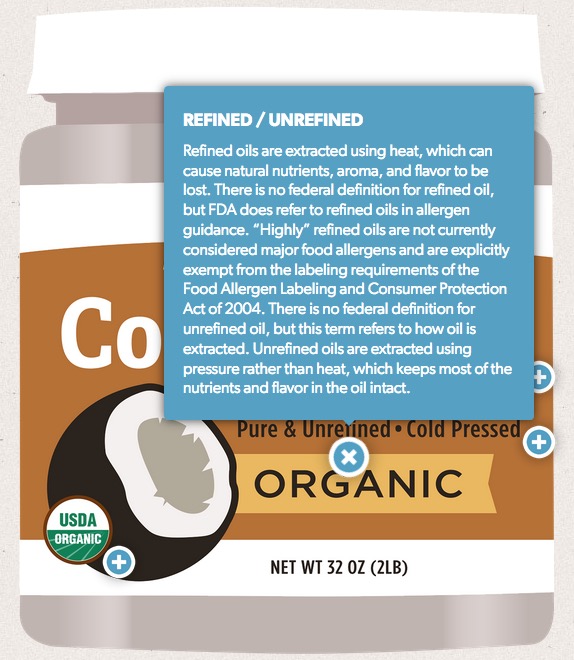
How to Read Food Labels - How Food Labels are Regulated
How to read and truly understand the label of organic ... - Ourgoodbrands Understand the terminology. Organic: to be labelled organic, the product must have passed thorough testing procedures via the various certification standards (see table above). Natural: this term means that there are no artificial or synthetic ingredients. However, the ingredients are not 'organic'.

How to read an organic food label | Smart Tips
Don't Get Scammed! How to Read Organic Food Labels 100% Organic - This is technically the only food label option that ensures a totally organic experience. Understanding Organic Milk The organic labeling requirements for milk mostly pertain to the cows that produce it. At least 30% of the cow's diet must be grass (free-range grazing). The cows must be allowed to graze for at least 120 days.
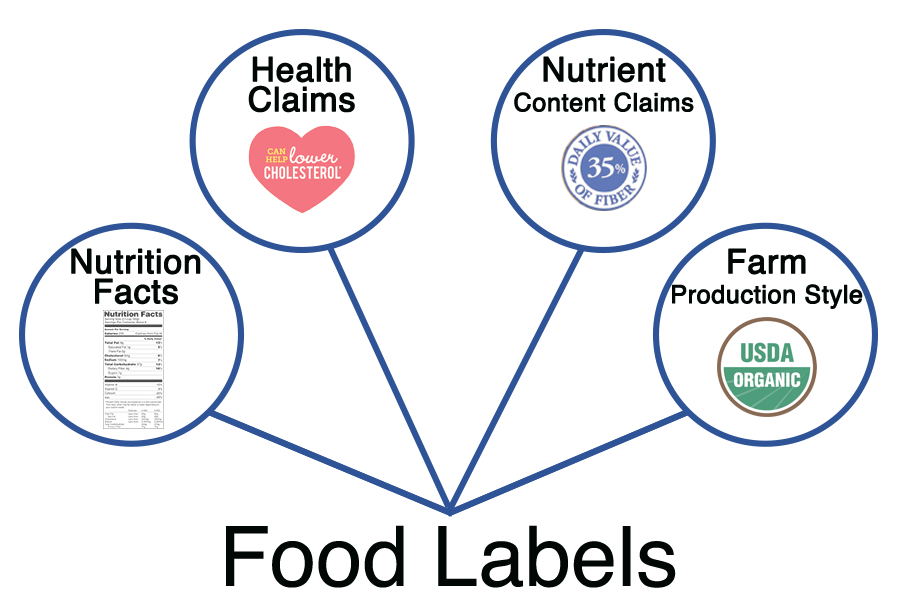
Looking Under the Label
How To Read Food Labels: Life Kit : NPR - NPR.org Organic is the label with the most specific meaning, laid out in volumes of rules that farmers and food manufacturers have to follow if they want that "USDA Organic" seal. Some of those...
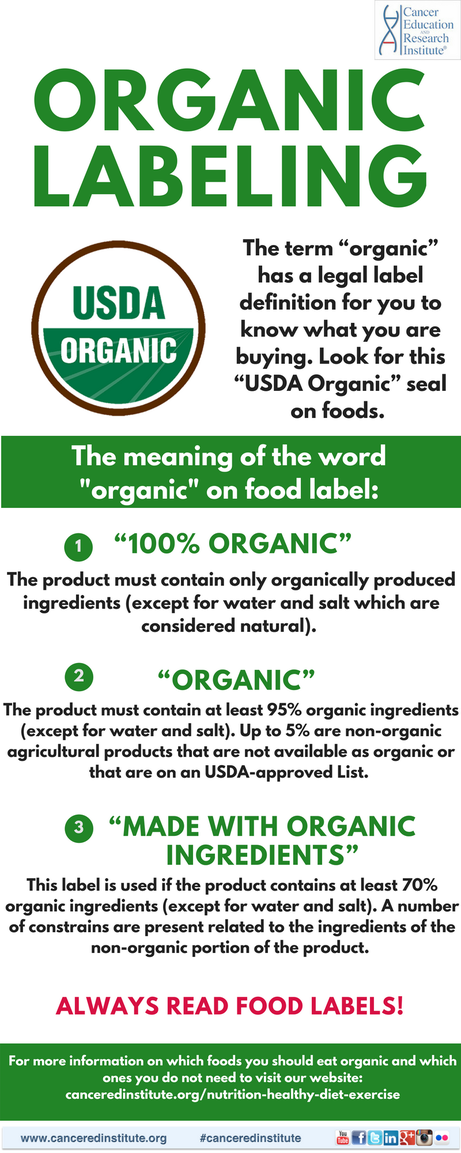
Organic labeling | Cancer Education and Research Institute ...
Understanding Organic Food Labels - Ethical Choice|エシカル消費 ... To check whether the product is reliable, labels should be read thoroughly by buyers. If the product has USDA organic seal, is certified organic and the ingredients it contains are at least 95 Percent organic, then it is completely reliable. If organic ingredients are less than 95 Percent, then USDA organic seal is not permitted to that product.

How to read a food label guide #infographic | Nutrition ...
How To Read Food and Beverage Labels - National Institute on Aging Products declared organic must be produced without conventional pesticides, synthetic fertilizers, biotechnology, or ionizing radiation. Organic animals must be fed organic feed and not be injected with hormones or antibiotics. Remember, organic foods may still have the same number of calories, fats, proteins, and carbs as a nonorganic food.

How to decode natural and organic food labels to understand ...
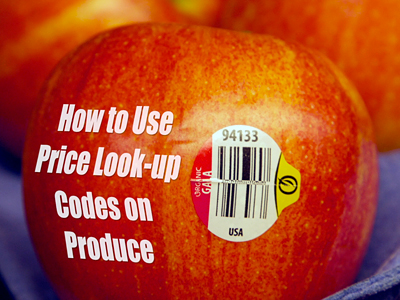
How to Read Organic and Conventional Food Labels The PLU (price look up) code, is an effective system used by several produce distributors, benefiting consumers on how to identify conventional and organic produce at the grocery store. According to KQED, even though the defeat of Proposition 37 means that genetically engineered information will not be added to labels at this time, PLU codes do ...

How to Read a Food Label: A Healthy Skeptic's Guide to the ...
Diet and Nutrition: How To Read Organic Food Labels - Epigee.org Reading organic food labels carefully is key to determining whether or not a food is indeed organic. Firstly, look for the term 'organic' on fruits and vegetables, or on the sign above organic produce displays; these labels can also appear on meat packages, egg and milk cartons, cheese and other single-ingredient organic foods.

Done for You Health & Wellness Content and Videos
How to Read Food Labels - Experience Life The "made with organic ingredients" label means that a minimum of 70 percent of ingredients meets the standard. Note, though, that many so-called organic foods are imported from highly polluted countries such as China and can contain high levels of heavy metals and other toxins.
What Does "Organic" Really Mean? How to Read Food Labels ...
How to Read Food Labels in 2018: A 5-Step Guide to ... - Organic Authority To help you read between the lines, here's our five-step guide to reading food labels in 2018. 1. Choose organic first.
Organic Foods: What You Need to Know - HelpGuide.org
How to Read Food Labels - Live the Organic Life So here's what they look like in a picture. The long orange rectangle represents all the ingredients in the pizza (the full 100%). The colored bars on the left show you the proportion of the total pizza made up by each type of meat - ham is 5%, Pepperoni is 4%, beef is 3% and bacon is 2%. UPC Codes on Produce Do you know what it all means?

Organic Farming: Why Go For Organic Vegetables & Fruits? | My ...
5 Food Labels All Meat-Eaters Should Understand | HuffPost Life All fresh meat, therefore, is considered natural--but it doesn't mean a whole lot beyond that. 2. Organic. "Organic" is another label with a clear, USDA definition--and one the experts say you definitely want to prioritize in your shopping trip. Organic meat and poultry can't be treated with hormones or antibiotics, and it must consume only ...

How to Read Food Labels Without Being Tricked
A Guide to Reading Organic Labels | Whole Foods Market Products labeled "organic" are required to contain at least 95% organic ingredients and be certified to the USDA National Organic Standards. Products labeled "made with organic X" must be certified to the USDA National Organic Standards and include at least 70% organic ingredients.

The ULTIMATE Guide to Deciphering Food Labels • Organically Becca

How To Read Food and Beverage Labels | National Institute on ...
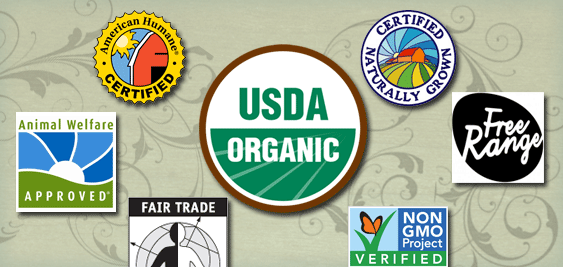
Food Labels Explained – Farm Aid

A Complete Guide to Reading Food Labels | TheThirty

How to Read a Food Label - Well Guides - The New York Times
A Good Guide to Reading Organic and Other Food Labels - Goodnet
What Does 'Organic' Mean - Is USDA Label Really Organic? What ...

Survey: Consumers Might Read Organic Label Differently Than ...
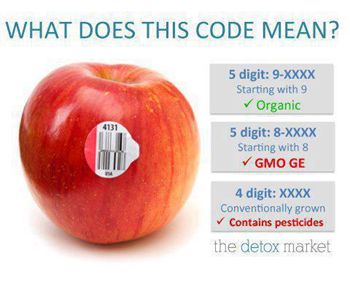
What do the labels on fruit mean?
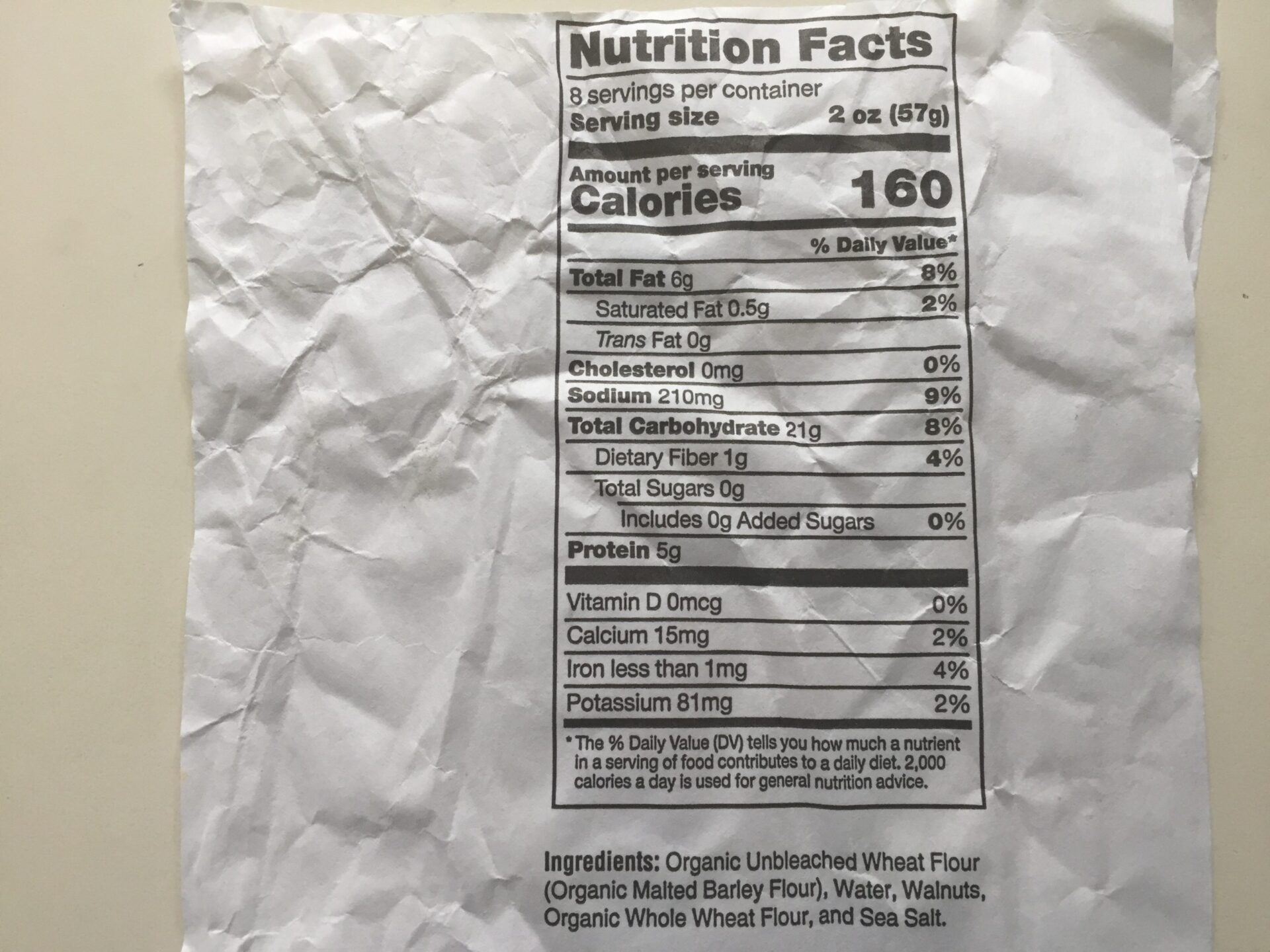
How to Read a Food Label - Alan T. Carpenter

Organic 101: What the USDA Organic Label Means | USDA
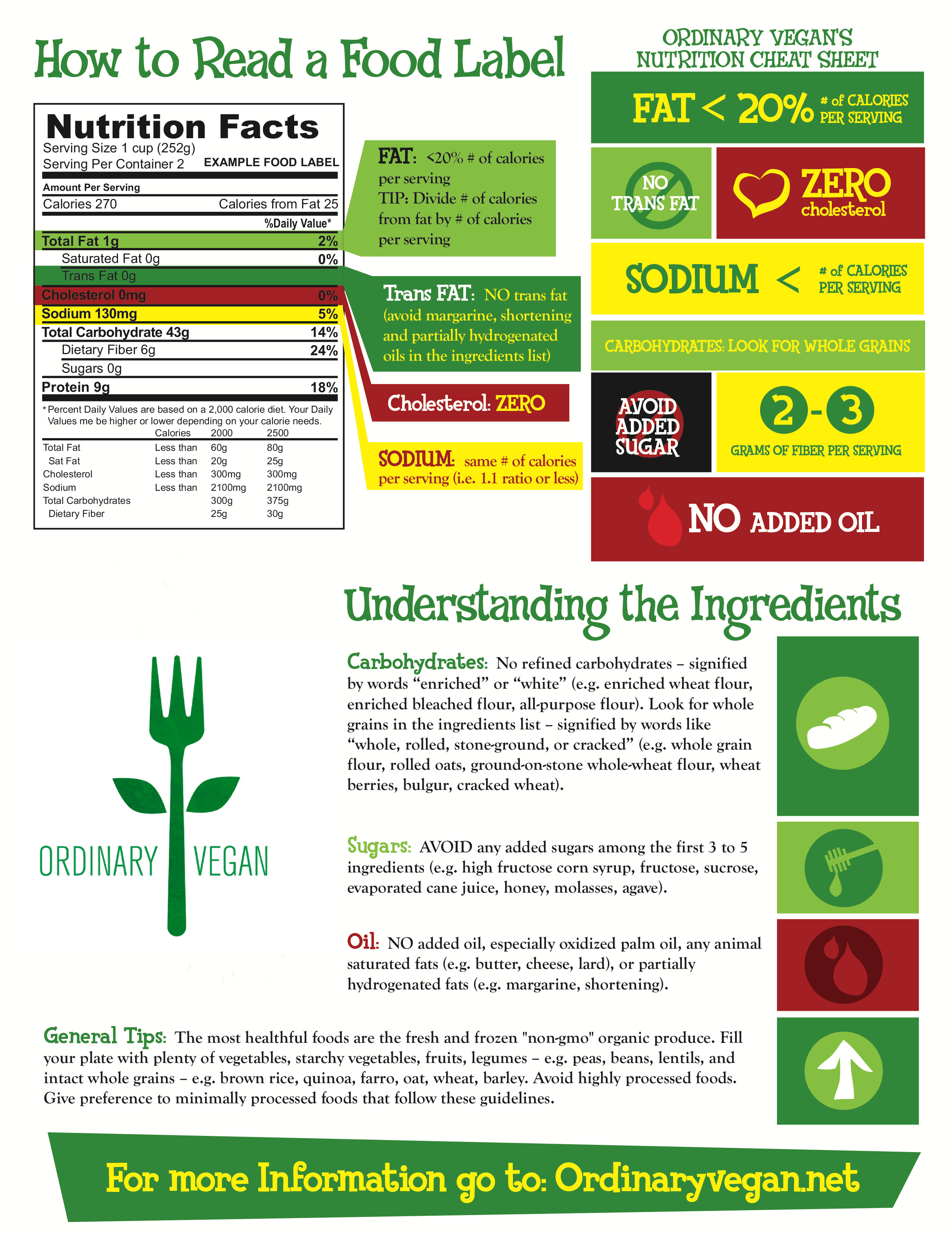
How to Read a Food Label | Ordinary Vegan
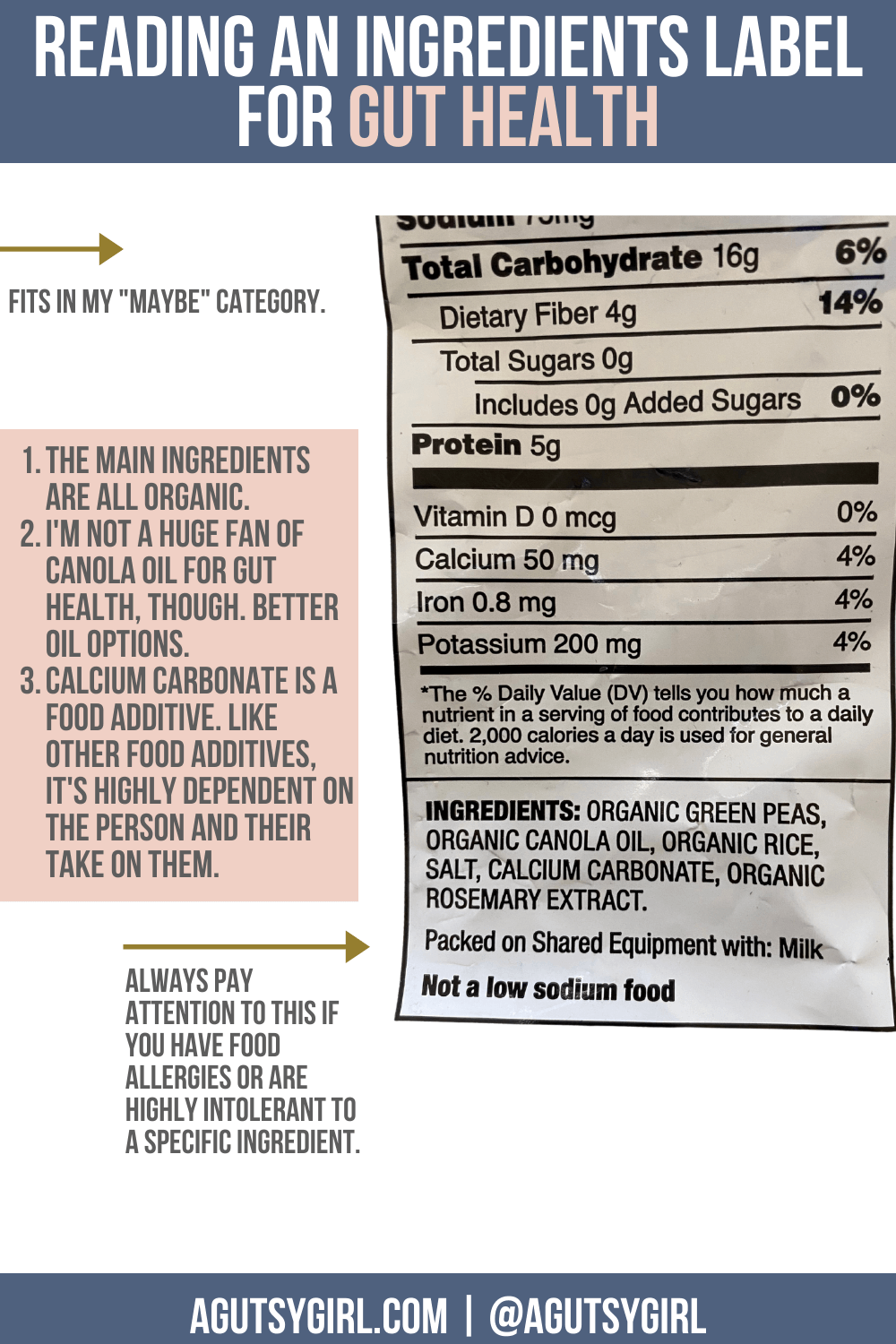
How to Read Food Labels for Gut Health - A Gutsy Girl®

How to Read Food Labels - Frosted Fingers

Food Label Terms and What They Really Mean
Labeling Organic Products | OTA

A Complete Guide to Reading Food Labels | TheThirty
Understanding Food Labels – Nutrition: Science and Everyday ...

A Guide to Reading Organic Labels | Whole Foods Market

Americans' views about and consumption of organic foods | Pew ...

How To Read Food and Beverage Labels | National Institute on ...

4 tricks for reading organic & natural food labels | Smart Tips
A Good Guide to Reading Organic and Other Food Labels - Goodnet

Shopping Organic Part 2: How To Read Food Labels

How to Read Nutrition Labels on The Low Carb Ketogenic Diet ...
Food Labeling: How to Identify Conventional, Organic and GMO ...
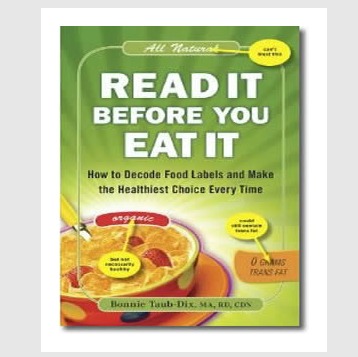
How to Read Food Labels and Nutrition Tips from expert Bonnie ...

usda organic label Archives - The Produce Nerd

How to read food labels, food labeling, Organic Wholesale ...

Read It Before You Eat It: How to Decode Food Labels and Make ...

How to read and truly understand the label of organic ...
Post a Comment for "44 how to read organic food labels"